You're at checkout and a little box pops up: "4 payments of $37.50." No interest, no credit check, just split the bill into four. That's buy now, pay later — BNPL — and in 2026 it's everywhere. More than half of Americans (51%) say they've used an installment plan for an online purchase, according to an April 2026 Gallup poll, and about 10% lean on it regularly.
The pitch is appealing, especially if you're wary of credit cards. But "no interest" doesn't mean "no cost," and BNPL and credit cards solve different problems. Here's how to tell which one actually fits the purchase in front of you.
How Buy Now Pay Later Actually Works
The most common BNPL product is "pay in four": you split a purchase into four equal payments, one every two weeks, with the first due at checkout. Used exactly as designed — paying on time — the big three providers are genuinely free to you:
- Affirm charges no late fees and offers both pay-in-four and longer monthly plans (those longer plans can carry interest, so read the rate).
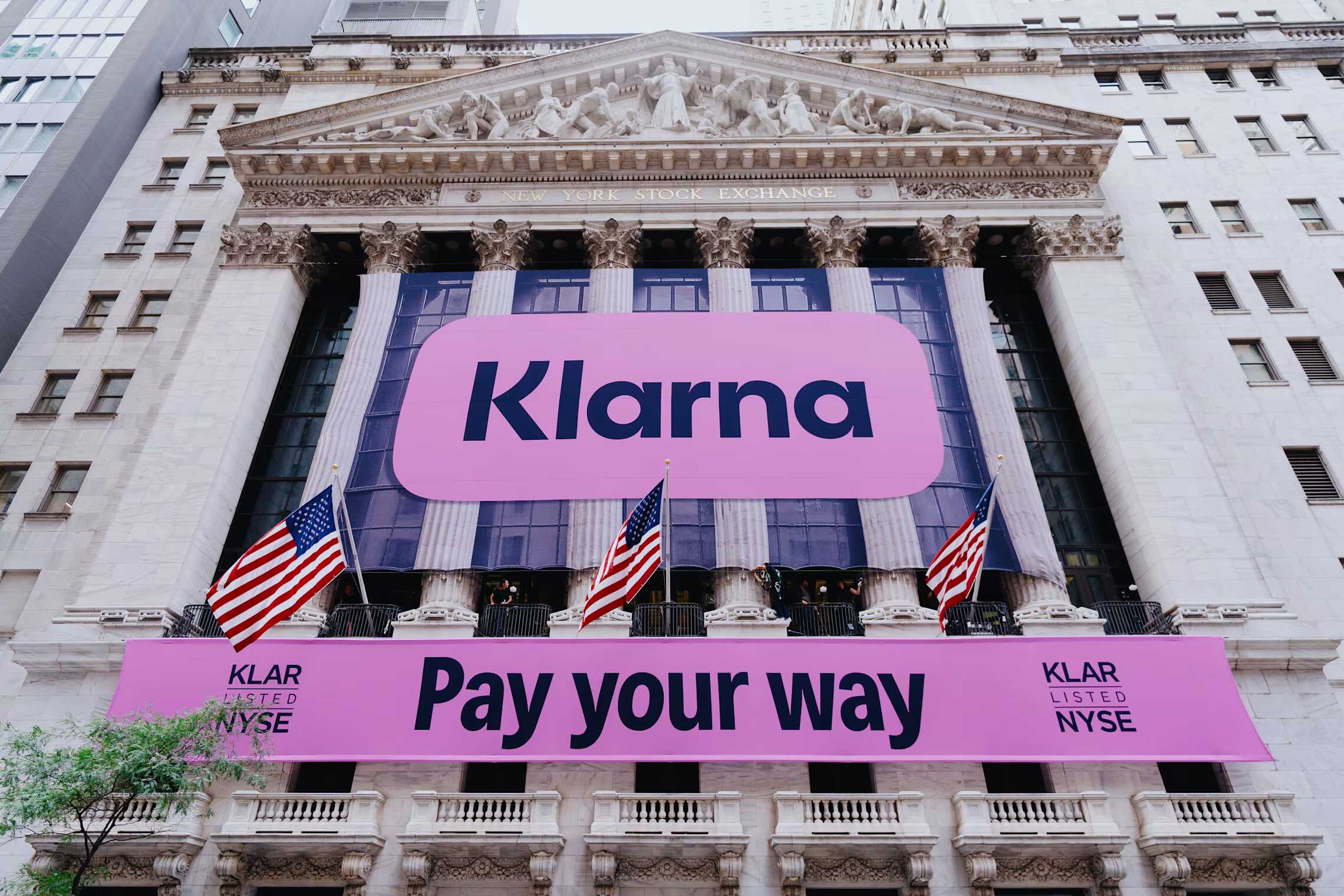
- Klarna charges a $7 late fee after 10 days, but caps total late fees at 25% of the purchase.
- Afterpay also charges late fees and may pause your account until you catch up.
The merchant, not you, pays the provider a cut — roughly 3% to 6% per transaction. That's why stores offer it: it nudges people to buy more. And it works. The bigger danger isn't a single plan; it's stacking five of them across five stores and losing track of $600 in obligations spread across different due dates.
Where Credit Cards Still Win
A credit card used well does things BNPL simply can't.
Rewards. A decent cash-back card pays 1.5%–2% on everything. BNPL pays you nothing. On $5,000 of annual spending, that's $75–$100 left on the table by routing purchases through installments instead.
Protections. Credit cards come with purchase protection, extended warranties, fraud liability limits, and dispute rights under federal law. If an item never arrives or shows up broken, your card issuer will fight that charge for you. BNPL disputes are far weaker and less standardized.
Building credit. Paying a credit card on time every month builds the payment history that makes up 35% of your FICO score. Most BNPL plans still don't report on-time payments to the bureaus, so they do little to build your credit — though a missed one can still be sent to collections.
The catch, of course, is the interest. Carry a balance and the average card charges over 21% APR in 2026, which erases every reward and then some. The whole case for a credit card rests on one habit: paying the statement in full. If you do, our breakdown of how credit card interest and APR work shows you can effectively pay $0 in interest while still collecting rewards.
The Honest Case for BNPL
BNPL isn't a trap by default — it has real, narrow uses.
It's genuinely useful if you don't qualify for a credit card yet, or if you're someone who overspends the moment a revolving credit line is available. A fixed four-payment plan has a clear end date; a credit card balance can roll forever. For a one-off purchase you can comfortably cover within eight weeks, pay-in-four with a no-fee provider like Affirm costs you nothing and forces a payoff schedule.
The problems start when BNPL becomes a way to buy things you can't afford. Because each plan feels small, it's easy to commit to more than your budget can handle. The rule that keeps it safe: only use BNPL for something you could pay for in cash today. If you couldn't, splitting it into four payments doesn't make it affordable — it just delays the moment you find out it wasn't.
A Simple Way to Decide
Run each purchase through three quick questions:
- Can I pay this off in full this month? If yes, a rewards credit card is almost always the better tool — you get points and protections for free.
- Do I carry credit card balances and pay interest? If yes, and you need to finance something essential, a no-fee BNPL plan may cost less than adding to a 21% APR balance. Even better, look at whether a 0% balance transfer or intro-APR card fits.
- Am I about to open my third or fourth active plan? If yes, stop. That's the warning sign that BNPL has shifted from a tool to a habit.
The Bottom Line
For most people who can pay their balance every month, a credit card is the stronger everyday choice — same "free" financing for 30 days, plus rewards, protections, and credit-building that BNPL doesn't offer. BNPL earns its place in a couple of specific situations: when you can't get a card, when a card tempts you into overspending, or for the occasional purchase you'll clear within eight weeks.
Neither one is free money. Both are just different ways to borrow, and the version that costs you nothing is the one you pay off on time.