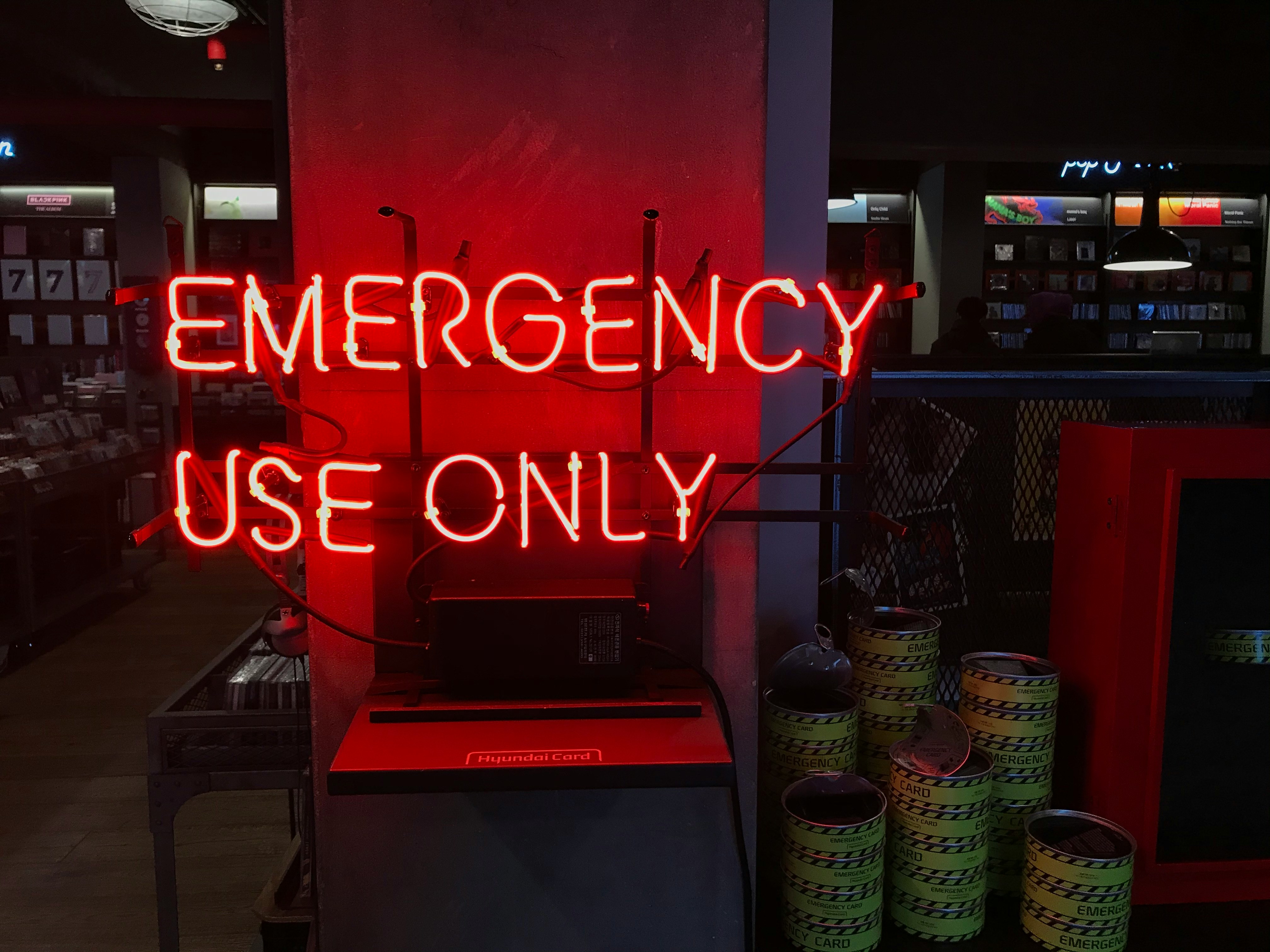
Let's talk about the difference between a bad month and an actual financial disaster. A bad month is when your car needs new tires, your pet gets sick, or your phone screen cracks. Annoying, sure — but you deal with it and move on. A financial disaster is when you lose your job, face a medical emergency, or your furnace dies in January, and suddenly you're staring at a hole in your finances with no idea how to fill it.
The thing that separates these two scenarios isn't luck. It's whether or not you have an emergency fund.
Most people either don't have one, or they have a vague notion that they "should probably save more." If that's you, no judgment — it's genuinely hard to prioritize saving money you can't see yourself spending. But once you understand what an emergency fund actually does for you, it stops feeling like a sacrifice and starts feeling like the most important purchase you'll ever make.
The 3-6 Month Rule (And How to Actually Calculate It)
You've probably heard the advice: save three to six months of expenses. What nobody tells you is that "expenses" doesn't mean your entire lifestyle — it means your core expenses. The bare minimum you need to keep your life running.
Here's how to figure that number out. Sit down and list only the essentials:
- Rent or mortgage
- Utilities (electric, gas, water, internet)
- Groceries
- Transportation (car payment, insurance, gas, or transit passes)
- Minimum debt payments (student loans, credit cards)
- Any insurance premiums (health, renters, etc.)
Notice what's not on this list: subscriptions, dining out, gym memberships, entertainment. You're not calculating the cost of your normal life — you're calculating the cost of surviving if everything went sideways.
Add those numbers up, and that's your monthly baseline. Multiply by three for a starter goal, and by six if you're self-employed, work in a volatile industry, or have dependents.
For most people in their 20s and 30s, this lands somewhere between 20,000. That might sound like a lot. It is. But you don't have to save it all at once — you just have to start.
A reasonable approach: set up an automatic transfer of even 200 a month into a separate account. It's not exciting, but it compounds into real security faster than you'd think.
Where to Put It (And Why "High Returns" Is the Wrong Goal Here)
This is where a lot of people go wrong. They either leave their emergency fund sitting in a checking account earning nothing, or they get clever and invest it in the stock market to "make it work harder."
Both approaches miss the point.
The stock market can drop 30% in a bad year. If that's also the year you lose your job, you'd be forced to sell at the worst possible time. An emergency fund isn't an investment — it's insurance. The goal isn't returns. The goal is liquidity, which just means being able to access the money quickly and without penalty.
The best place for an emergency fund right now is a high-yield savings account (HYSA). These are regular savings accounts offered by online banks that pay significantly better interest rates than traditional banks — often 4-5% annually versus the 0.01% your big bank probably offers. The money is FDIC insured, you can transfer it to your checking account within a day or two, and it won't evaporate if the market crashes.
Some people also use money market accounts, which work similarly. What you want to avoid is anything with a lock-up period — CDs (certificates of deposit) can have early withdrawal penalties, which defeats the purpose.
The slight interest you earn in a HYSA isn't going to make you rich. But it does mean your emergency fund is at least keeping pace with or beating inflation, and that's genuinely all it needs to do.
What Actually Counts as an Emergency
This is the question nobody asks until they're standing in front of a really good vacation deal or a couch they've been eyeing for months. You need to draw a clear line before temptation shows up, because once you've justified spending emergency money on a "kind of necessary" purchase, it becomes very easy to do it again.
A real emergency is something unexpected, necessary, and urgent. Job loss is the big one — it's the scenario the whole fund is built around. Medical bills that insurance doesn't fully cover. A major car repair when the car is your only way to get to work. An urgent home repair that affects your safety or habitability (roof leak, broken furnace in winter).
A real emergency is not a flight deal to Europe, a new laptop because yours feels slow, holiday gifts, or even a wedding you feel obligated to attend. Those are things you should be saving for separately in a regular savings account — a sinking fund, as some personal finance people call it.
A good test: ask yourself if skipping this expense would genuinely threaten your income, health, or housing. If the answer is no, it's not an emergency. It might be an inconvenience, it might even feel really important, but it doesn't meet the bar.
The stricter you are about this rule, the less likely you'll find yourself in a situation where you "had" an emergency fund until you didn't.
The Real Return on Investment
Here's the thing nobody mentions when they talk about emergency funds: the psychological value of having one is enormous, and it's completely underrated.
When you know you have three to six months of expenses sitting in an account, your entire relationship with risk changes. You can leave a job that's making you miserable without panicking. You can take a chance on a career change or a freelance project. You can handle a car breakdown or an unexpected medical bill without it spiraling into credit card debt.
People without emergency funds make worse financial decisions — not because they're bad with money, but because they're constantly operating from a place of scarcity. Every unexpected expense becomes a crisis, and crises are expensive. You take the payday loan, you carry the credit card balance, you make the impulsive decision because there's no buffer.
That buffer isn't just money. It's options. It's the ability to say no when you need to and yes when you want to. You won't find a savings account that advertises "peace of mind" as a feature, but that's genuinely what you're buying.
Start small. Start now. And once it's funded, don't touch it unless you really need to.