You've saved up, booked the flights, planned the itinerary — and then you get home and open your credit card statement. There it is, scattered across every single purchase you made abroad: a small fee, usually around 3%, silently tacked onto everything from your airport coffee to that nice dinner you splurged on. It doesn't sound like much, but on a 90 gone for essentially nothing. Welcome to the world of foreign transaction fees.
The frustrating part? Most people don't even know this fee exists until they're already home. It's not something banks advertise loudly. It just quietly shows up, line by line, on your statement. But here's the good news: this is one of the easiest travel costs to eliminate entirely — if you know what to look for before you leave.
What Exactly Is a Foreign Transaction Fee?
When you swipe your card in another country, a few things happen behind the scenes. Your purchase gets converted from the local currency into US dollars, and that conversion process passes through multiple hands — your bank, the card network (Visa or Mastercard), and sometimes a third-party processor. Each of those players wants a small cut.
The result is a fee that typically lands between 1% and 3% of the transaction amount. Most major banks default to around 3%. It's charged on top of whatever exchange rate you're already getting, so you're essentially paying twice for the privilege of spending money abroad.
Some banks will itemize this as a "foreign transaction fee" on your statement. Others roll it into the exchange rate so it's harder to spot. Either way, it's money leaving your pocket that doesn't need to.
One important thing to understand: this fee isn't about fraud protection or any special service being provided to you. It's purely a revenue stream for the bank. Which is exactly why plenty of cards have eliminated it entirely — they've figured out that "no foreign transaction fees" is a genuinely compelling selling point for travelers.
Finding a Card That Actually Works for Travel
Not all credit cards charge foreign transaction fees. In fact, most cards marketed even loosely as "travel cards" have dropped them completely. The trick is knowing which cards fall into that category before you're standing at a gelato counter in Rome.
Generally speaking, premium travel rewards cards — think cards that earn airline miles or flexible travel points — almost universally come with no foreign transaction fees. Cards like the Chase Sapphire Preferred, Capital One Venture, and most American Express travel cards waive these fees entirely.
But you don't necessarily need a flashy rewards card. Several no-annual-fee options also waive foreign transaction fees. Capital One, for instance, has historically not charged these fees across most of their card lineup. Discover cards also don't charge them, though Discover's acceptance abroad can be spotty depending on where you're traveling.
When you're evaluating a card for travel, the foreign transaction fee information is always disclosed in the card's terms and conditions — usually under a section called "Fees" or "Rates and Fees." You're looking for a line that says either "None" or "$0" next to foreign transaction fees. If you see 3% (or even 1%), keep looking.
If you already have a travel rewards card sitting in your wallet, check its terms. There's a decent chance it already waives these fees and you just haven't needed to use that perk yet.
The "Local Currency" Trap at Checkout
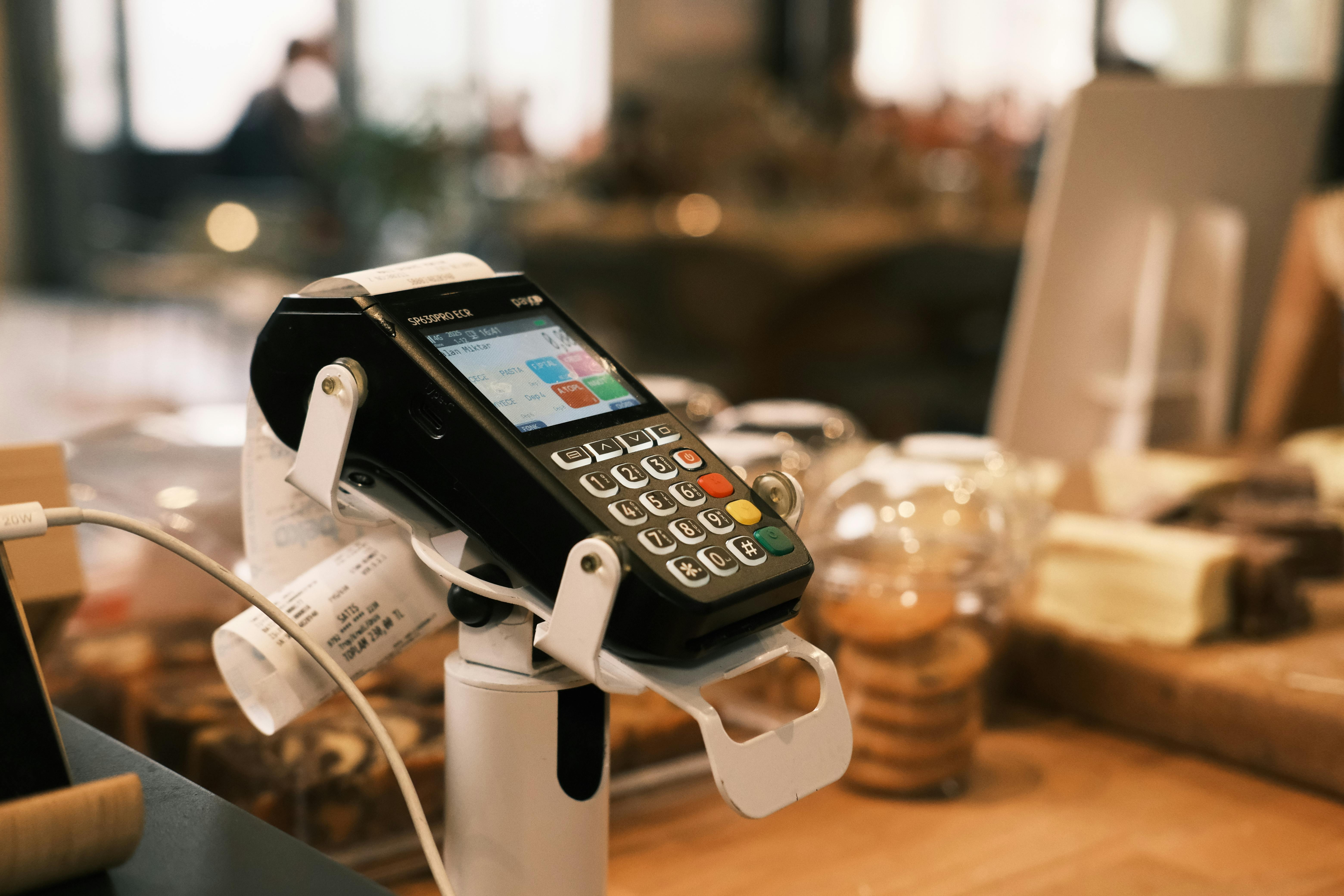
Here's a scenario that catches a lot of first-time international travelers off guard. You're paying for something abroad and the card terminal — or sometimes a cashier — asks you a question: would you like to pay in US dollars or in the local currency?
It sounds like a convenience. Pay in dollars, you know exactly what you're being charged, no surprises. What could be wrong with that?
Quite a bit, actually.
When you choose to pay in your home currency at a foreign terminal, you're opting into something called Dynamic Currency Conversion, or DCC. What happens is the merchant's payment processor — not your bank — handles the currency conversion on the spot. And they do it at an exchange rate that's almost always significantly worse than what your bank would give you. We're talking markups of 3–7% in some cases, sometimes more.
So you end up paying for the conversion anyway, just at a worse rate, and you lose the ability to let your own bank handle it. Even if your card charges a 3% foreign transaction fee, you'd often still come out ahead paying in local currency and eating that fee versus letting a random payment terminal convert it for you at a terrible rate.
The right move, every single time, is to pay in local currency. If a terminal or cashier pushes back or seems insistent on charging you in dollars, politely decline. You have the right to choose. Some terminals will ask multiple times or make it seem like the default is dollars — just keep selecting local currency.
This one habit, combined with having a no-foreign-transaction-fee card, is genuinely the most effective two-step approach to avoiding unnecessary costs abroad.
Bringing It All Together
International travel is expensive enough without handing your bank an extra 3% on every purchase. The good news is that avoiding this cost requires almost no effort once you've done the upfront work of choosing the right card.
Before your next trip, take five minutes to check whether your current credit card charges foreign transaction fees. If it does, consider applying for one that doesn't — there are solid options at every annual fee level, including free. Then, once you're abroad, remember to always select local currency at checkout, no matter how convenient the dollar option looks.
That's genuinely it. Two simple things. And on a decent-sized international trip, they can save you a meaningful amount of money — money that's much better spent on an extra night somewhere interesting, or a meal you'll actually remember.